
A fan's guide: What does suspended mean in football competitions?
In the high-stakes world of professional sports, disciplinary rules are essential for maintaining fair play and competitive integrity. If you have ever seen a star player missing from a crucial lineup, you might ask: What does suspended mean in football competitions? Understanding these regulations is vital for fans, especially when tracking live updates and team news on platforms like idsoccerway, where player availability can change the entire dynamic of a match.
The definition and mechanics of being suspended in football
Being suspended in football means a player or staff member is officially prohibited from participating in a specific number of upcoming matches to maintain sport order. This disciplinary action, which can be tracked on sports platforms like idsoccerway, serves as a major tactical disadvantage by removing key assets from the lineup during critical fixtures.
If you are wondering what does suspended mean in football, it involves a forced absence from the field, the bench, and even the dressing room. The duration of this penalty varies significantly, ranging from a one-match ban for minor fouls to multi-month global bans for aggressive or violent conduct.
The system acts as both a punishment for the individual and a deterrent to ensure all participants respect the professional standards of the game. Beyond the pitch, these bans often carry heavy financial fines and create a permanent record that influences future disciplinary hearings for repeat offenders.
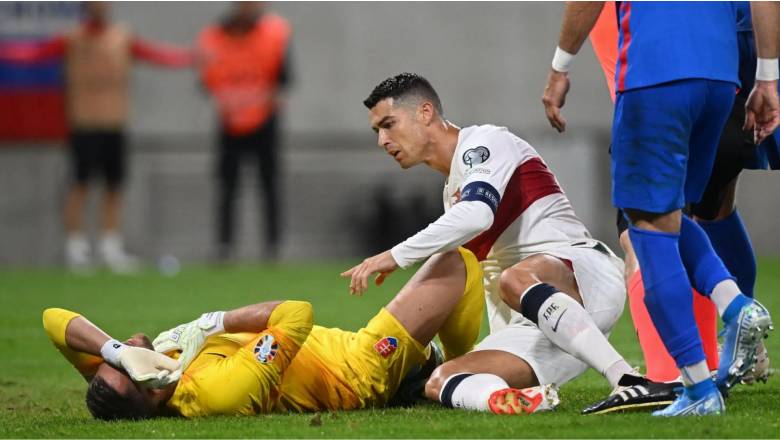
Understanding the concept and process of suspension in football
The different paths to a football suspension
While the concept of a suspension is relatively straightforward, the ways in which a player finds themselves sidelined are diverse and categorized by the severity of the act. Discipline is tracked through immediate on-field actions, the long-term accumulation of minor fouls, or formal committee reviews of off-field conduct.
On-field disciplinary actions: Red and yellow cards
The most common path to suspension occurs during the ninety minutes of play via the referee's immediate card system. A straight red card is the ultimate immediate penalty, triggered by serious foul play, abusive language, or an intentional handball to prevent a certain goal.
Conversely, the "accumulation rule" tracks a player’s behavior over a longer period of the season to catch those who commit persistent minor fouls. If you want to track which specific athletes are currently banned for card accumulation or look up detailed league statistics, you can check the latest disciplinary tables on idsoccerway.
Each league has its own specific thresholds, such as five yellow cards resulting in a one-match ban during the first half of a domestic season. This system forces players to be cautious and disciplined even when they aren't necessarily committing "red-card" worthy offenses in a single high-intensity game.
Post-match reviews and retrospective action
Sometimes, the referee misses a serious incident during the heat of the game that requires further investigation by an independent panel. If a player commits an act of "violent conduct" unseen by officials, league committees can review high-definition video footage after the final whistle has blown.
If the evidence is clear and indisputable, the player can be charged with misconduct and handed a multi-match suspension retrospectively. This ensures that no one escapes punishment simply because the referee’s view was obstructed during the live action or if the VAR failed to intervene correctly.
Retrospective action also covers modern cases of "deception of a match official," such as diving to win a penalty or get an opponent sent off. By punishing simulation after the game, football authorities aim to clean up the sport's image and discourage dishonest behavior that ruins the viewing experience for fans.
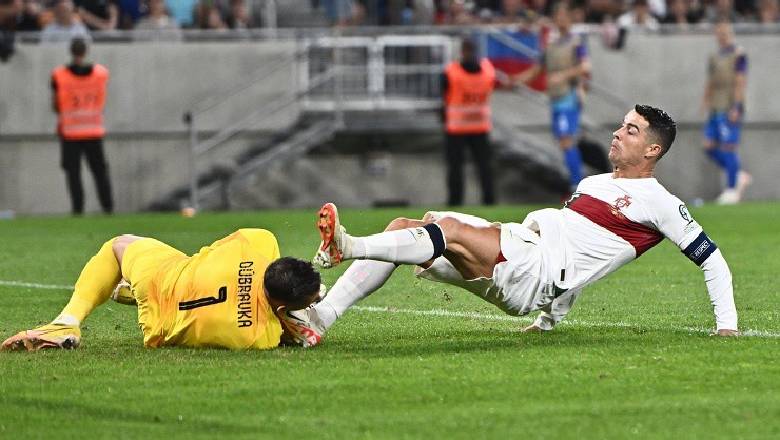
Retrospective bans punish unseen fouls and simulation after the match
Off-field misconduct and professional breaches
Suspensions are not strictly limited to what happens on the grass during the match, as players are considered 24-hour representatives of their clubs. Players and managers can be banned for making inappropriate or inflammatory comments in the media or for breaching strict betting and doping regulations.
A manager might be "suspended from the touchline" for several weeks, meaning they must watch the game from the stands without any direct communication with their players. These administrative penalties prove that the rules of professional football apply to every individual's conduct both on and off the pitch at all times.
Off-field suspensions can also stem from legal issues or internal breaches of club discipline, such as missing training sessions or breaking team curfews. These internal bans demonstrate that a professional footballer must maintain a high level of personal responsibility to earn the right to represent their team in public.
In the most severe cases, such as match-fixing or using prohibited performance-enhancing substances, a suspension can lead to a lifetime ban from the entire sport. This serves as the ultimate deterrent, protecting the commercial, competitive, and moral value of football for future generations of players and supporters around the world.
In summary, knowing what does suspended mean in football competitions is essential for understanding the strategic shifts and disciplinary standards that shape every match. To stay updated on the latest player bans and their impact on upcoming fixtures, don't forget to check our news section for the most recent football developments.
The Most Popular
-
 When does the La Liga season start? Key dates for the 2026/27 kickoff
 -
 Navigating style: The full Portugal football kit history
 -
 Shocking scores: Looking back at Spain biggest defeat in football history
 -
 The GOAT legacy: A complete list of all Ronaldo records
 -
 Famous players who played for Real Madrid and Juventus in history
 -
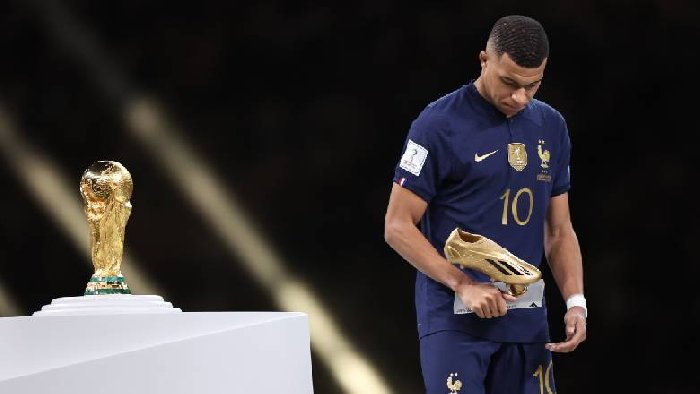 A deep dive: What position did Mbappe play at PSG?
 -
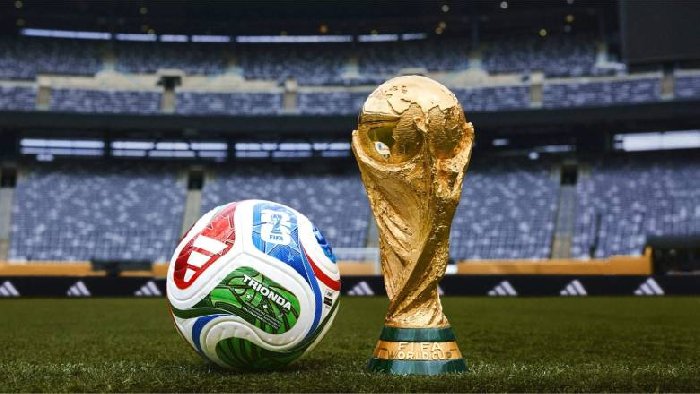 Everything you need to know: How do countries qualify for World Cup 2026?
 -
 Best Saudi Arabia football player of all time: The desert legends
 -
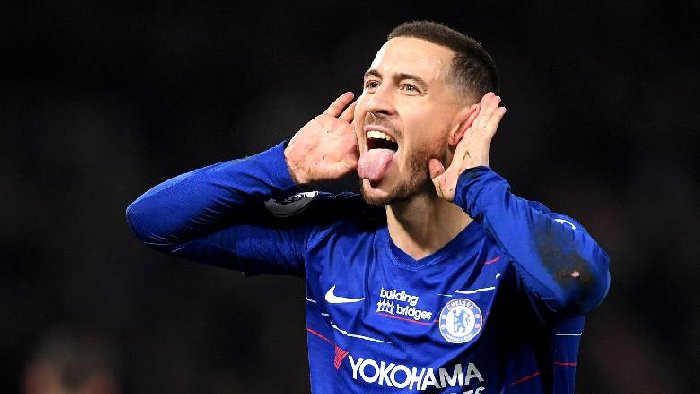 Golden generation: The official list of Belgium greatest players
 -
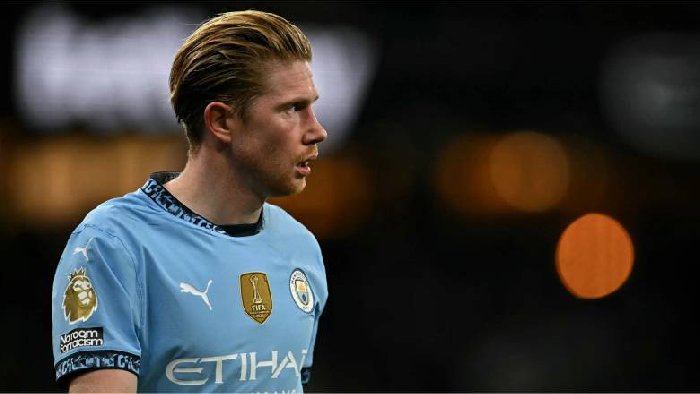 How much did Man City buy Kevin De Bruyne for and was it a bargain?